
Buyer's Guide
Commercial Namkeen Machinery Guide
Namkeen production is several machines working in sequence, not one — a stage-by-stage guide to mixing, shaping, steaming and finishing equipment from ATHAK's namkeen and snacks range.
Published 13 August 2026
Namkeen Production Is Several Machines, Not One
There’s no single “namkeen machine” that covers the whole job. ATHAK’s namkeen, snacks and fast food range splits the work into stages — mixing and blending, shaping, steaming, coating, and separate lines for wafers and chips — and most namkeen producers only need a subset of them, depending on what’s actually on the menu. This guide works through what each stage does and which real ATHAK machines cover it.
Mixing and Blending Masala
Before shaping, spices, powders, fryums and pickles get blended. The Namkeen Masala Mixer is a ribbon blender with a horizontal agitator and hinged lid, listed in four sizes from a 0.5 HP model rated 5-10 KG up to a 2 HP model rated 80-100 KG (the catalogue does not print a time basis for these figures). This is typically the first machine in a masala-heavy namkeen line, feeding seasoned mix forward to whichever shaping machine follows it.
Shaping Namkeen: Sev and Fafda
Shaping is where most of ATHAK’s namkeen range sits, and it splits by product type:
- Farsan (Namkeen) Machine — covers sev, gathiya, papdi, fulwadi and bundi on one machine, in three sizes: a 0.5 HP model rated 60-70 Kg, a 1 HP model rated 100-150 Kg, and a 2 HP model rated 250-300 Kg. The catalogue describes it as “the complete namkeen range” — the broadest single machine if your menu spans several of these items.
- Nylon Sev Machine — a dedicated 1.5 HP machine rated 40-50 Kg, built specifically for fine nylon sev and regular sev, mounted on a wheeled stand with a stainless steel collection tray. Worth choosing over the general Farsan Machine if sev is your primary product and you want a machine purpose-built for it.
- Hand Operated Sev Machine — a manual hand-press with a 1.25 KG bowl, for small-batch or occasional sev production without a motor.
- Fafda Machine — sheets fafda dough into uniform ribbons, in a SMALL (0.25 HP, 30-40 Kg) and JUMBO (0.5 HP, 55-70 Kg, standard gear) format.
Motorised or Hand-Operated for Shaping
The scale gap between ATHAK’s hand-operated and motorised shaping machines is real, even where the catalogue doesn’t print a common unit to compare them directly. The Hand Operated Sev Machine’s bowl holds 1.25 Kg per load, worked by hand; the Nylon Sev Machine is a dedicated 1.5 HP motorised machine rated at 40-50 Kg. For a sweet shop or farsan counter making sev occasionally, alongside other items, the hand-operated press avoids the cost and the power connection a dedicated motorised line needs. For a producer making sev as a primary, daily product, that difference in scale makes the motorised Nylon Sev Machine the more practical choice. The same trade-off applies to the Finger Chips Machine and its hand-operated counterpart, further down this guide.
Steaming Khaman and Dhokla
Khaman and dhokla are steamed, not fried or pressed, and ATHAK lists dedicated steam cabinets for each. The Nylon Khaman Machine comes in 6, 8 and 10 tray models, each with an 18 × 18 × 2.5 tray size, suitable with or without chhapri. The Live Steam Dhokla Machine goes one size further, with 6, 8, 10 and 12 tray models at a 14 × 18 × 1.25 tray size. Neither carries a motor or HP rating — scale these by tray count against your batch volume, not by horsepower.
Coating and Flavouring After Frying
Once namkeen is fried or roasted, the Coating Pan / Flavouring Pan Machine applies masala and seasoning evenly. It’s listed in running and tilting drum types at 0.5 HP (10-15 Kg) and 1 HP (20-25 to 30-40 Kg), all at 1440 RPM. The tilting versions discharge the batch without lifting the drum, which matters if you’re coating frequently through a shift rather than in one large run.
Wafers and Chips as a Separate Line
If banana or potato wafers and finger chips are part of your product mix, these run as their own equipment line rather than through the sev/khaman machines above:
- Banana Wafer Machine — REGULAR (1 HP, 250-300 Kg) and SPEED CONTROLLER (1 HP, 300-350 Kg) models, both cutting round, oval and long-patta styles.
- Potato Wafer Machine — a single 0.5 HP model rated 200-250 Kg, with interchangeable cutting drums for plain wafer, lining wafer and kadukas cuts.
- Finger Chips Machine (With Motor) — a 0.5 HP model rated 200-250 Kg, for french-fry style cutting, alongside a hand-operated version with no motor for lower-volume kitchens.
Matching Machines to Your Product Mix
The mistake to avoid is buying the whole sequence when your menu only needs part of it. A sev-focused producer needs the masala mixer and a sev machine, not steaming cabinets or wafer equipment. A shop selling khaman and dhokla alongside a general farsan line needs the steam cabinets in addition to the Farsan Machine, but has no use for the wafer line at all. Work from what’s actually on your menu today, and treat the stage-by-stage list above as a menu to choose from — not a checklist to complete in full.
Questions to Ask Before You Buy
- Which specific items are you producing — sev, fafda, khaman, dhokla, wafers, or a mix?
- Do you need a general-purpose machine like the Farsan Machine, or a dedicated one like the Nylon Sev Machine, for your highest-volume product?
- What’s your batch volume per item, in KG or tray count?
- Do you need coating and flavouring as a separate finishing stage?
Share your product mix and volume when you request a quote, and ATHAK will confirm which machines actually belong in your line.
Related Machinery
Machines Covered in This Guide
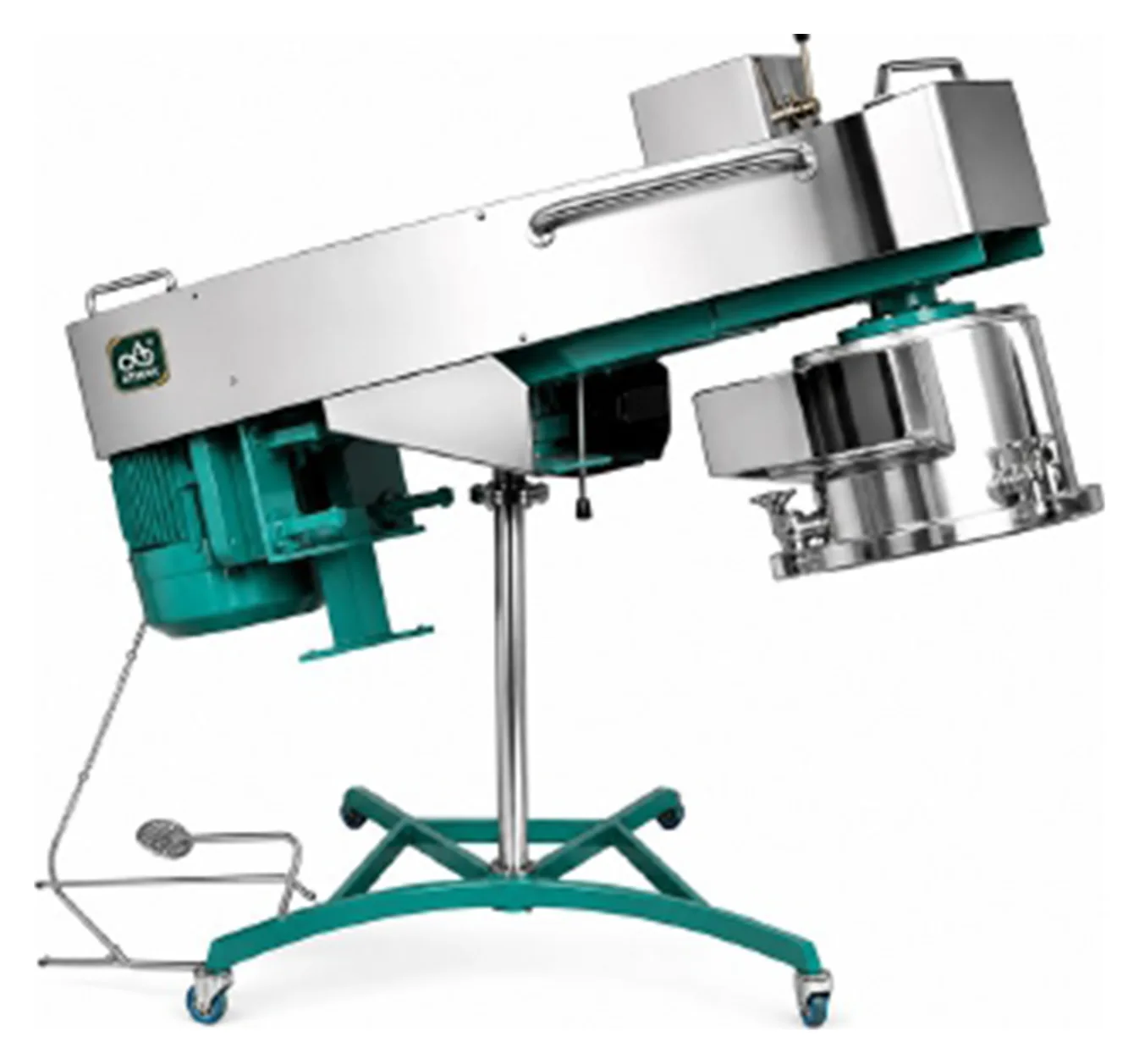
Farsan (Namkeen) Machine
Farsan and namkeen machine for sev, gathiya, papdi, fulwadi and bundi, in three models rated 0.5HP, 1HP and 2HP.
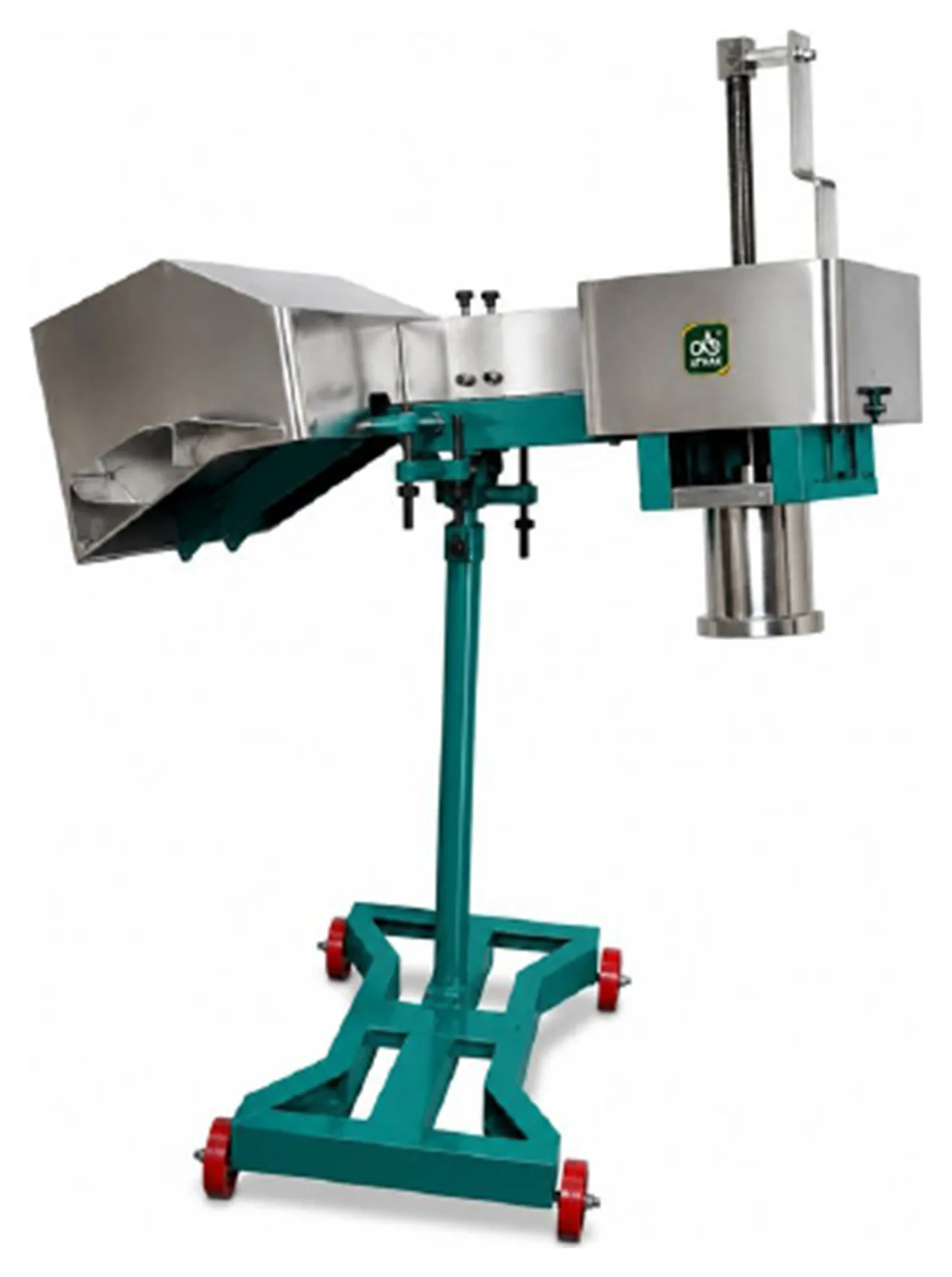
Nylon Sev Machine
Sev machine for fine nylon sev and regular sev, rated 1.5HP at 1440 RPM with a capacity of 40-50 Kg.
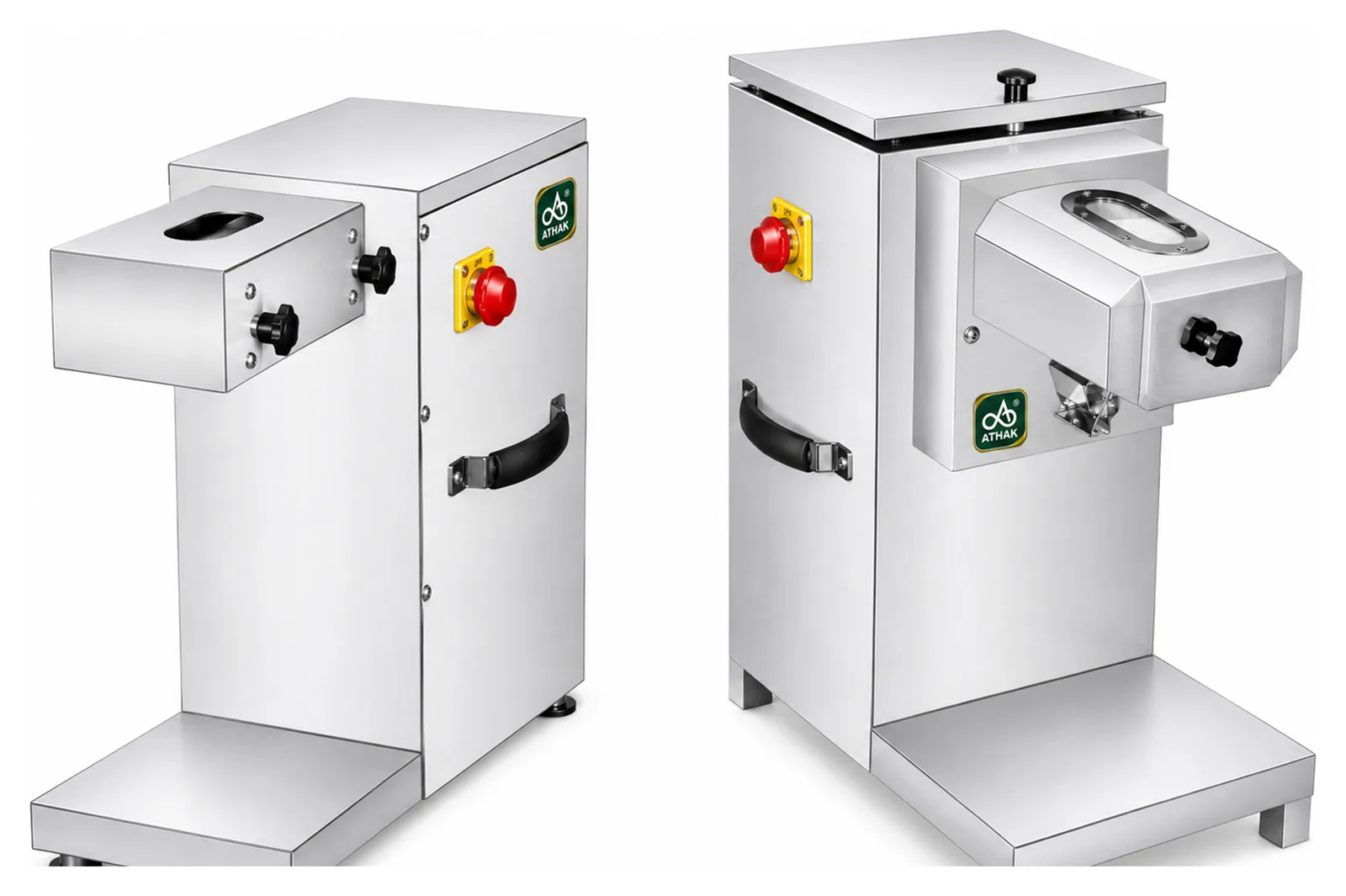
Fafda Machine
Fafda machine that sheets fafda dough to uniform ribbons, in small (0.25HP) and jumbo (0.5HP) formats.
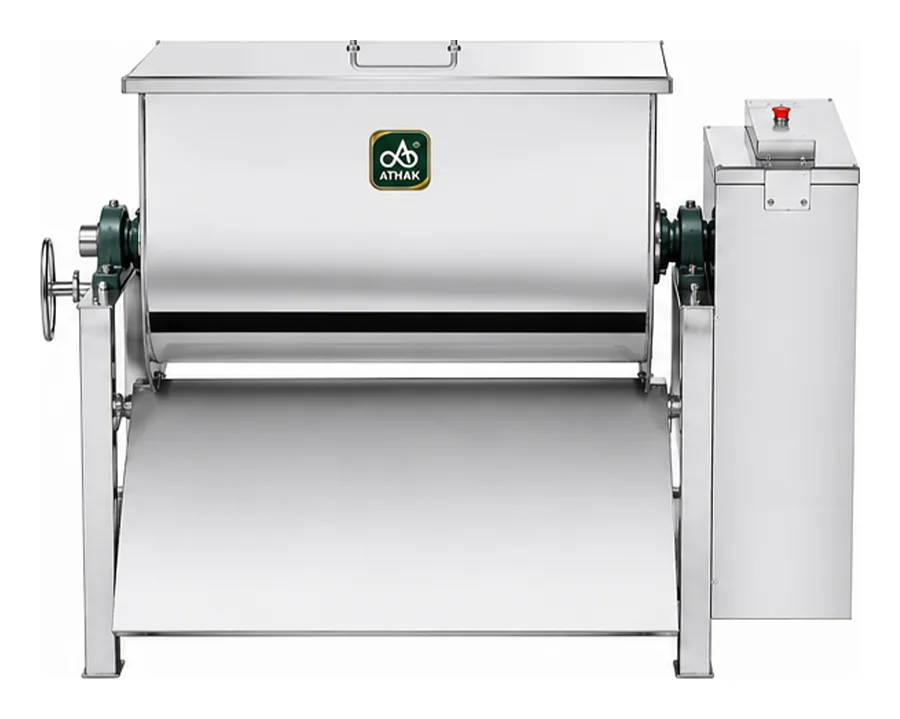
Namkeen Masala Mixer (Ribbon Blender)
Ribbon blender for spices, powders, fryums, namkeen and pickles, in four models from 1.5 Feet to 5 Feet.
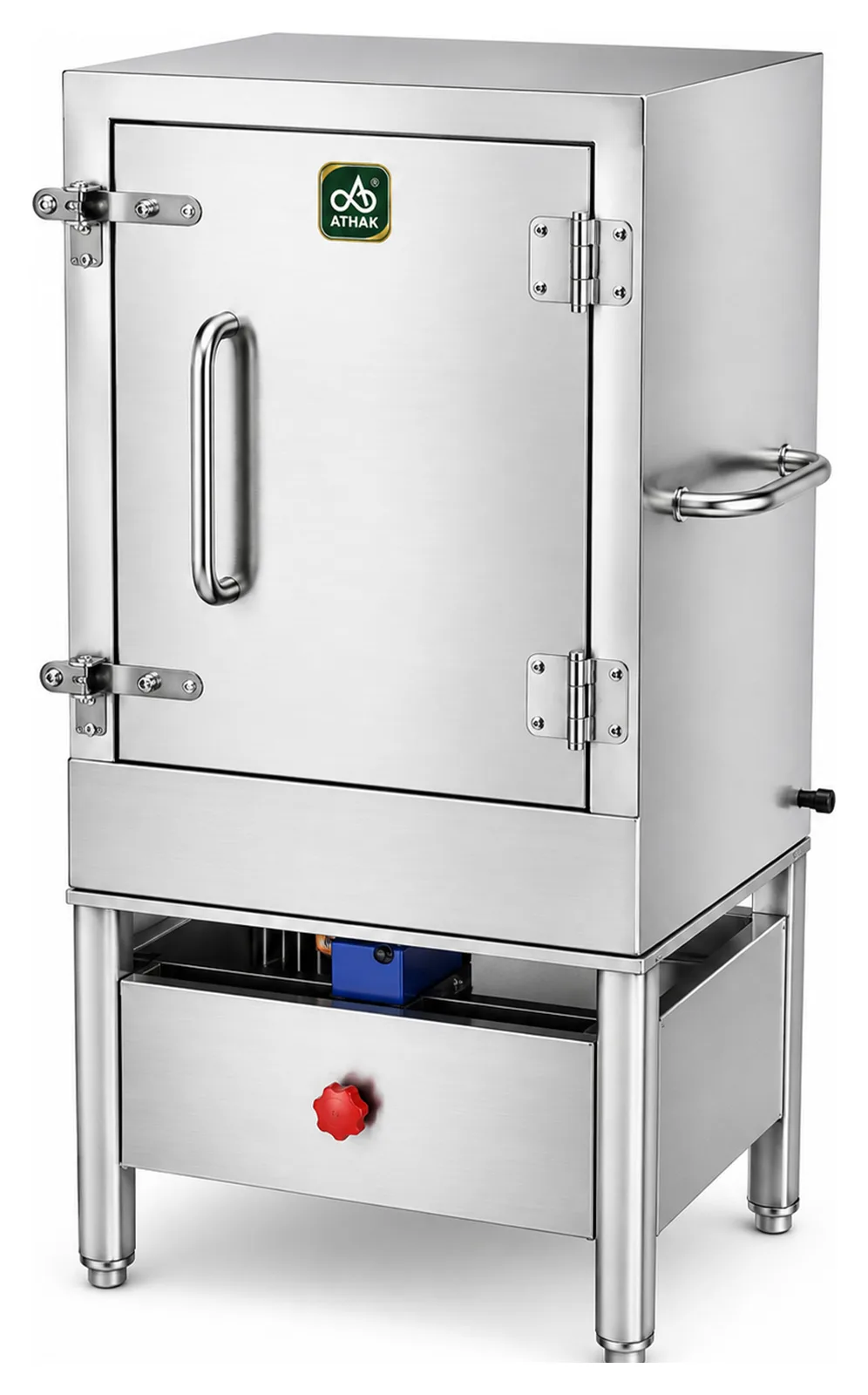
Nylon Khaman Machine
Steam cabinet for nylon khaman in 6, 8 and 10 tray models, each listed with an 18*18*2.5 tray size.
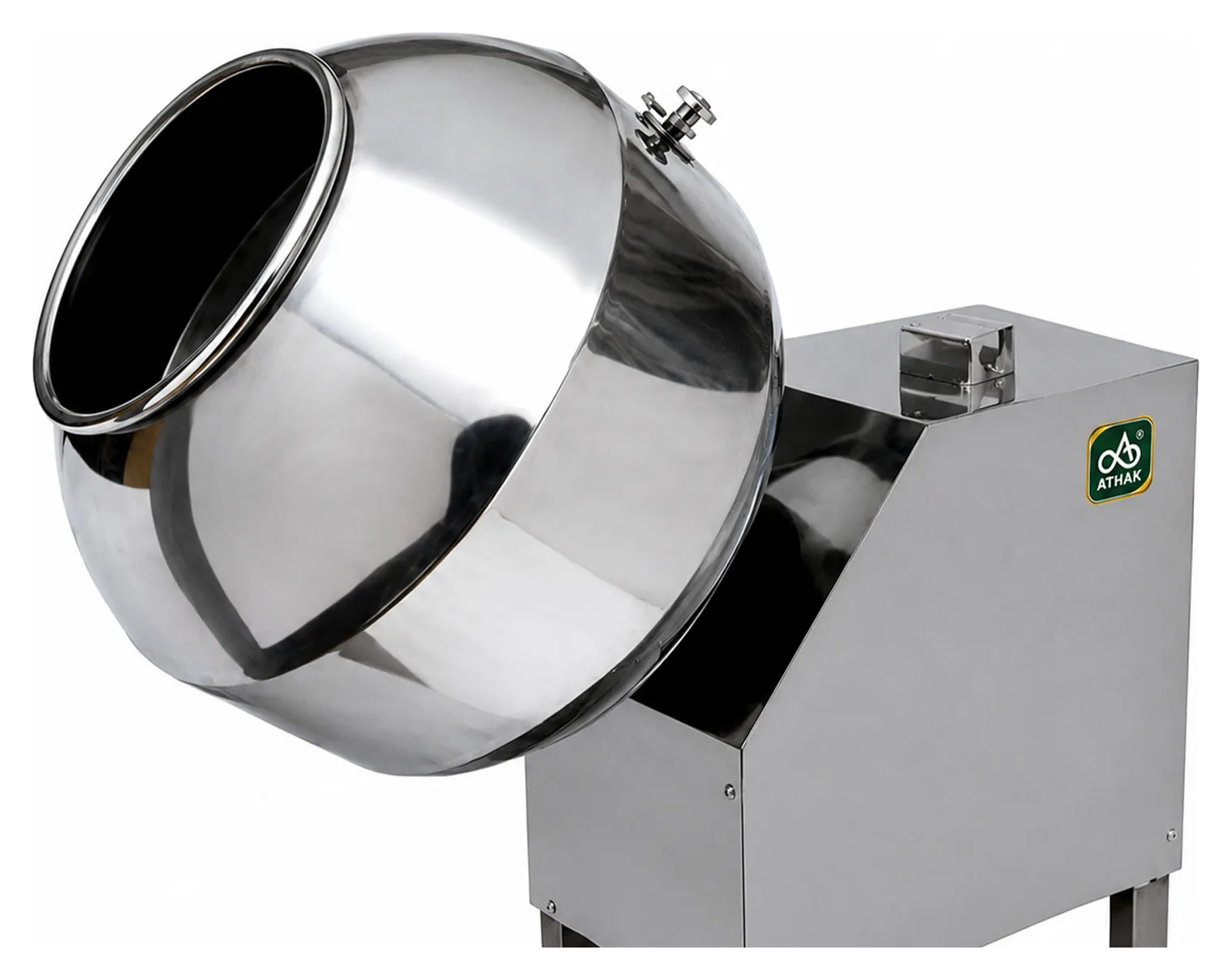
Coating Pan / Flavouring Pan Machine
Coating and flavouring pan for snacks, dry fruits and confectionery, in running and tilting types at 0.5HP and 1HP.
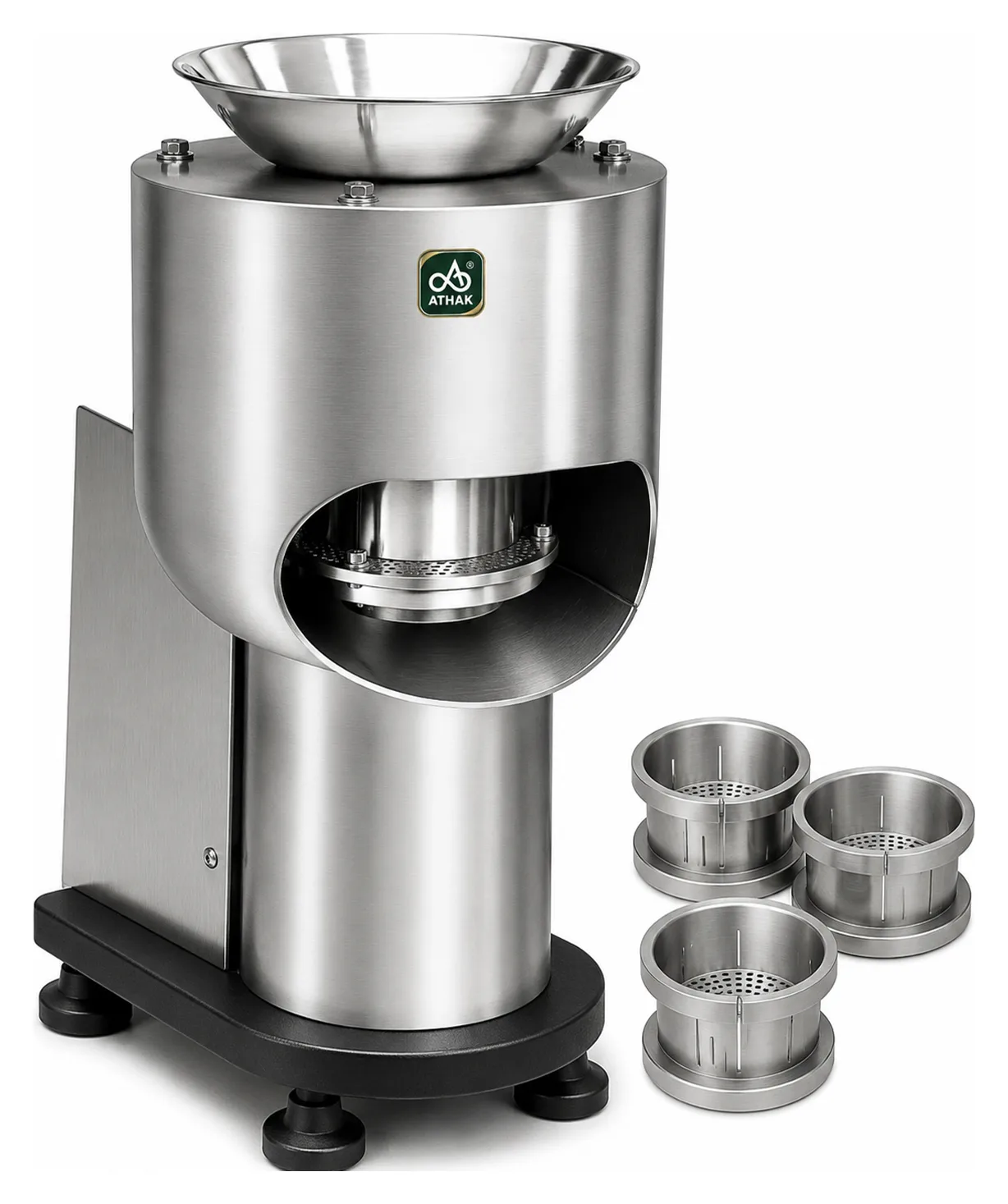
Potato Wafer Machine
Potato wafer machine for plain wafer, lining wafer and kadukas cutting, rated 0.5HP at 1440 RPM.
Browse the Family
Related Machine Categories
Ready to Talk Through Your Requirement?
Share what you need to produce and how much, and ATHAK will confirm the right machine and model.