
Industries
Industries ATHAK Serves
A caterer, a hotel and a temple kitchen all need bulk food preparation, but they need it differently — different volumes, different deadlines, different equipment mixes. Find the industry below closest to how your kitchen operates.
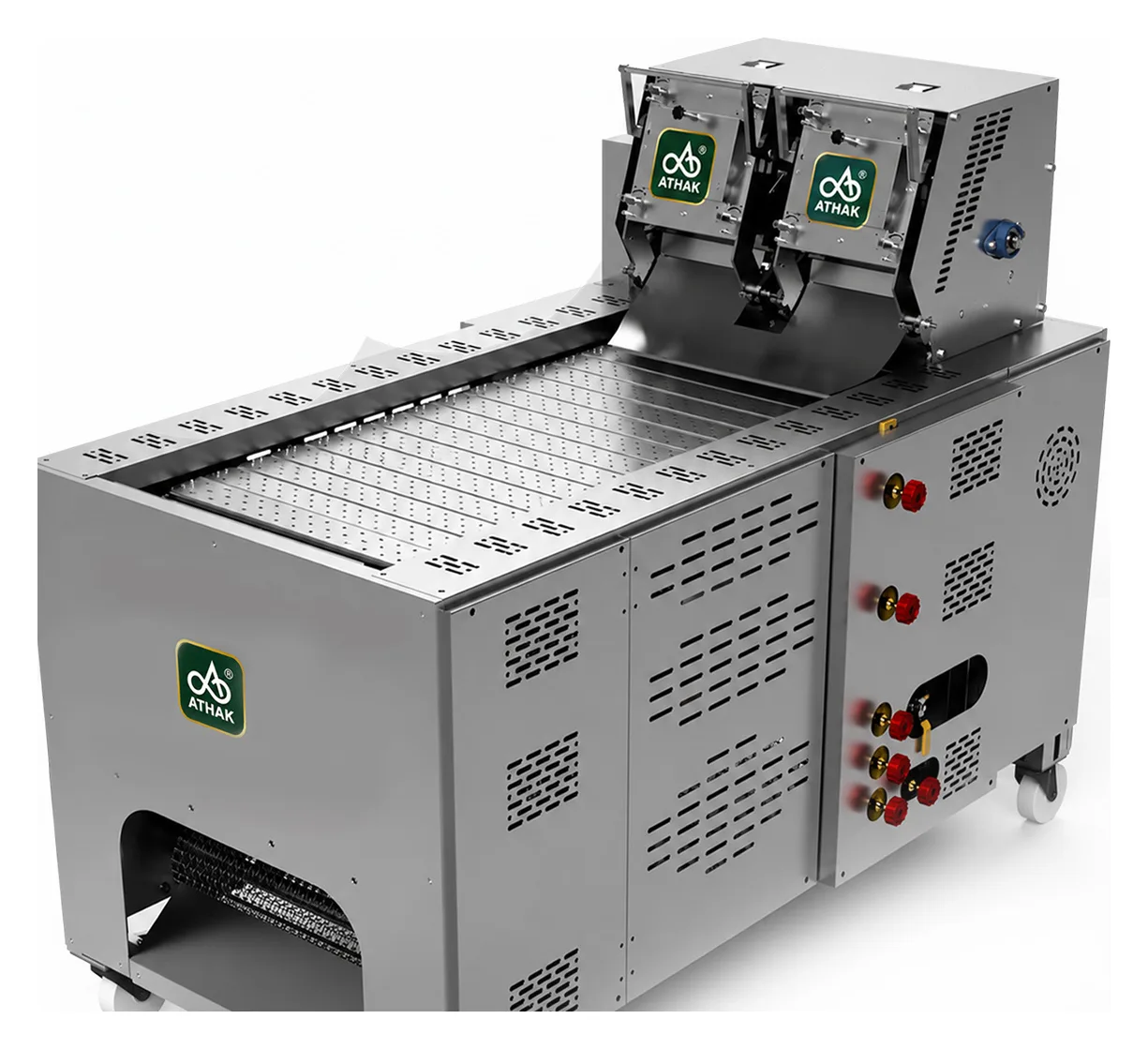
Caterers
Machinery for Bulk Catering Production
Catering work is bulk food preparation against a fixed event time, and the size of that bulk changes from booking to booking. ATHAK's grinding, vegetable-preparation and roti machinery is sold in a range of models by capacity, so a catering kitchen can match equipment to a 150-plate function one week and a 1,500-plate one the next, without changing suppliers.
- Order sizes vary sharply from one booking to the next, so the kitchen needs equipment that covers a small function and a large one without either job being wasteful or falling behind.
- Everything is due at one fixed serving time. Unlike a restaurant's rolling service, a catering kitchen has to have gravies, cut vegetables and roti all finished together, which makes prep-stage throughput the real limit on how large a booking can be accepted.
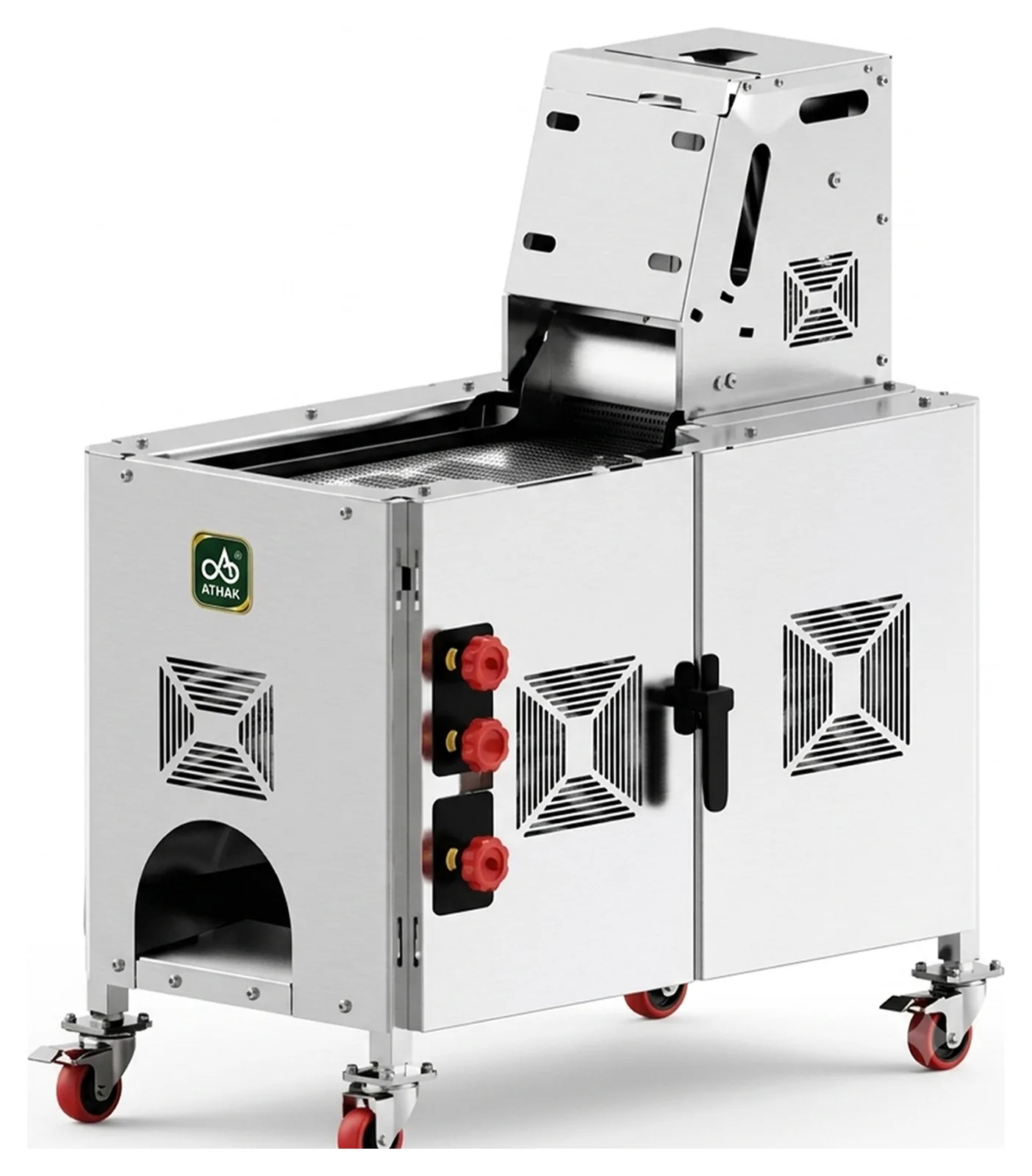
Hotels
Back-of-House Equipment for Consistent Daily Service
A hotel kitchen runs the same back-of-house through several meal periods a day — breakfast buffet, all-day dining, banquets — often across more than one cuisine, and different shift cooks are expected to produce the same result each time. ATHAK's range covers roti, vegetable, batter-grinding and fast-food equipment, so a hotel can source machinery for several menu sections from one catalogue.
- Multiple meal periods run every day (breakfast buffet, lunch, dinner, banquets), so equipment has to hold up under repeated daily cycles rather than occasional peak use.
- Hotel kitchens are usually multi-cuisine, which means roti, vegetable preparation, batter grinding and fast-food or continental items are often needed from the same back-of-house, rather than one specialised production line.
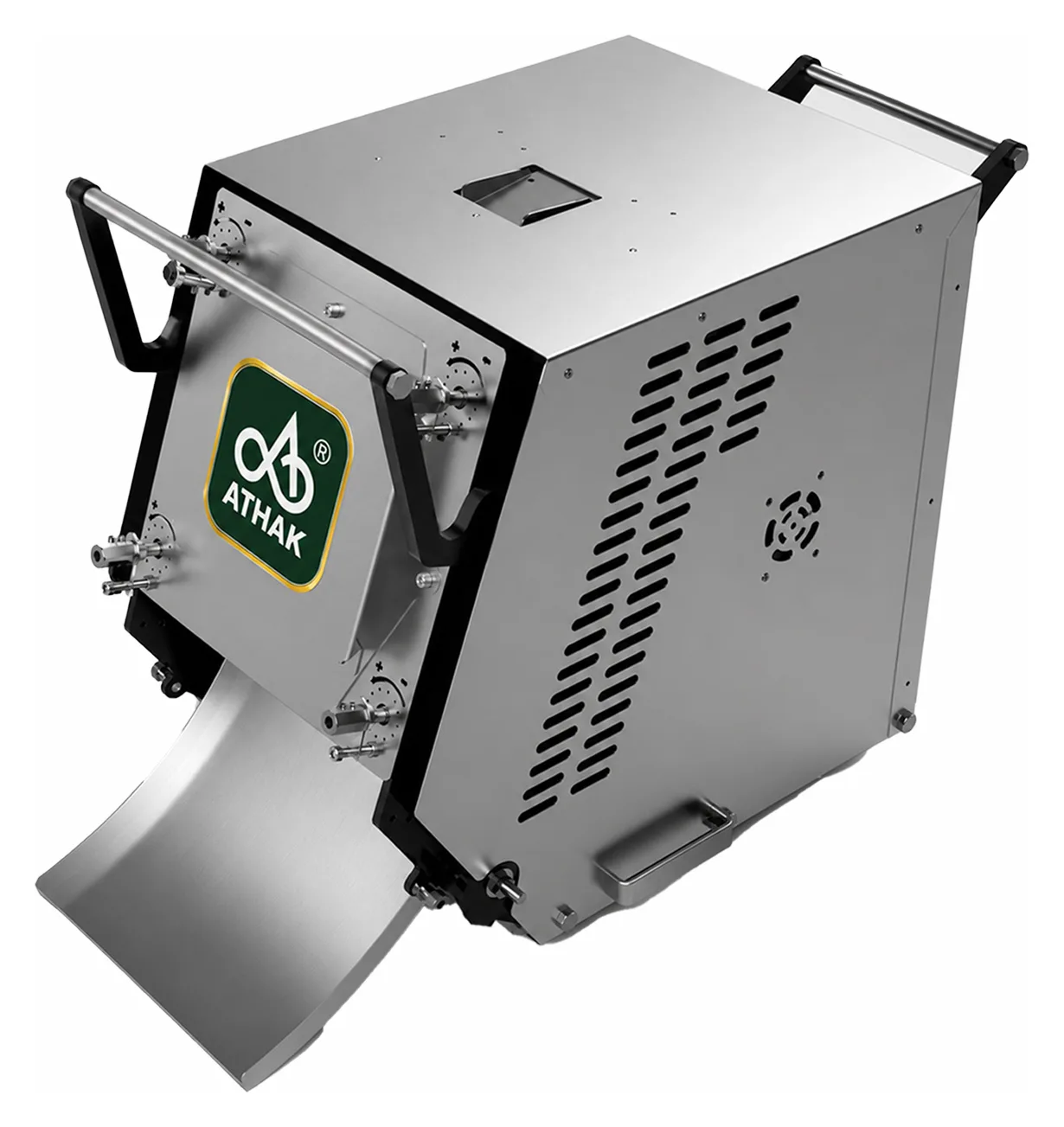
Restaurants
Machinery for Consistent Prep and Peak-Hour Service
A restaurant kitchen concentrates most of a day's covers into one or two service windows, so the prep done beforehand — dough, cut vegetables, gravies, fried items — has to already be at the volume and consistency needed to clear that rush. ATHAK's range includes compact, single-task machines as well as higher-capacity ones, which suits a restaurant kitchen's typically tighter floor space.
- Peak-hour rushes concentrate most of a day's covers into one or two short windows, so prep finished earlier in the day has to already be at the volume needed to clear the rush without last-minute bottlenecks.
- A repeatable menu depends on standardised prep — the same roti thickness, the same vegetable cut, the same gravy consistency, order after order — which is harder to guarantee by hand alone as volume grows.
Industrial Kitchens
High-Throughput Machinery for Structured Production
An industrial or institutional kitchen — contract catering, a factory canteen, a food production unit — works against a fixed daily production target rather than a variable booking, so the deciding factor is matching a model's rated capacity to that number. ATHAK publishes a full specification table for every model, which is what a specification-led purchase depends on.
- Daily production targets are fixed and large, so choosing equipment means matching a model's rated capacity in KG or units per hour to that number, not picking general-purpose equipment and hoping it keeps up.
- Multiple production stages need to run as a coordinated workflow — dough kneading feeding into ball cutting, then pressing, then roasting, for example — rather than as isolated, unconnected machines.
Temples & Community Kitchens
High-Volume Roti, Dough and Vegetable Machinery for Community Feeding
A community kitchen preparing a large communal meal — whether a temple kitchen, a community feeding programme or a similar large-scale operation — works to very high roti and vegetable volumes in a single sitting, often with a mix of volunteer and paid kitchen staff. This page covers the operational side of that scale: production capacity, dough and vegetable throughput, and equipment built for repeated large-batch use.
- Meal counts can run into the thousands in a single sitting, which puts the roti press and dough line's rated hourly capacity at the centre of whether a kitchen can serve everyone within the planned window.
- Kitchens are often staffed partly or fully by volunteers rather than trained commercial cooks, so a consistent result depends more on the machine's own repeatability than on individual technique.
Not Sure Which Industry Fits Your Kitchen?
Share your production requirement and ATHAK will point you to the right machines.